
Understanding the journey of gambling addiction recovery A guide to reclaiming your life
Recognizing Gambling Addiction
Understanding gambling addiction is the crucial first step toward recovery. This addiction can often manifest itself in various forms, including online gambling, sports betting, and traditional casino games. Many individuals may initially engage in gambling as a form of entertainment, but over time, it can spiral into compulsive behavior that negatively impacts personal relationships, finances, and overall mental health. Recognizing the signs of addiction, such as persistent urges to gamble, lying about gambling habits, or experiencing financial distress, is essential for those affected. In this context, exploring options like a fast withdrawal casino can help players access their winnings quickly, adding to the appeal of online gaming.
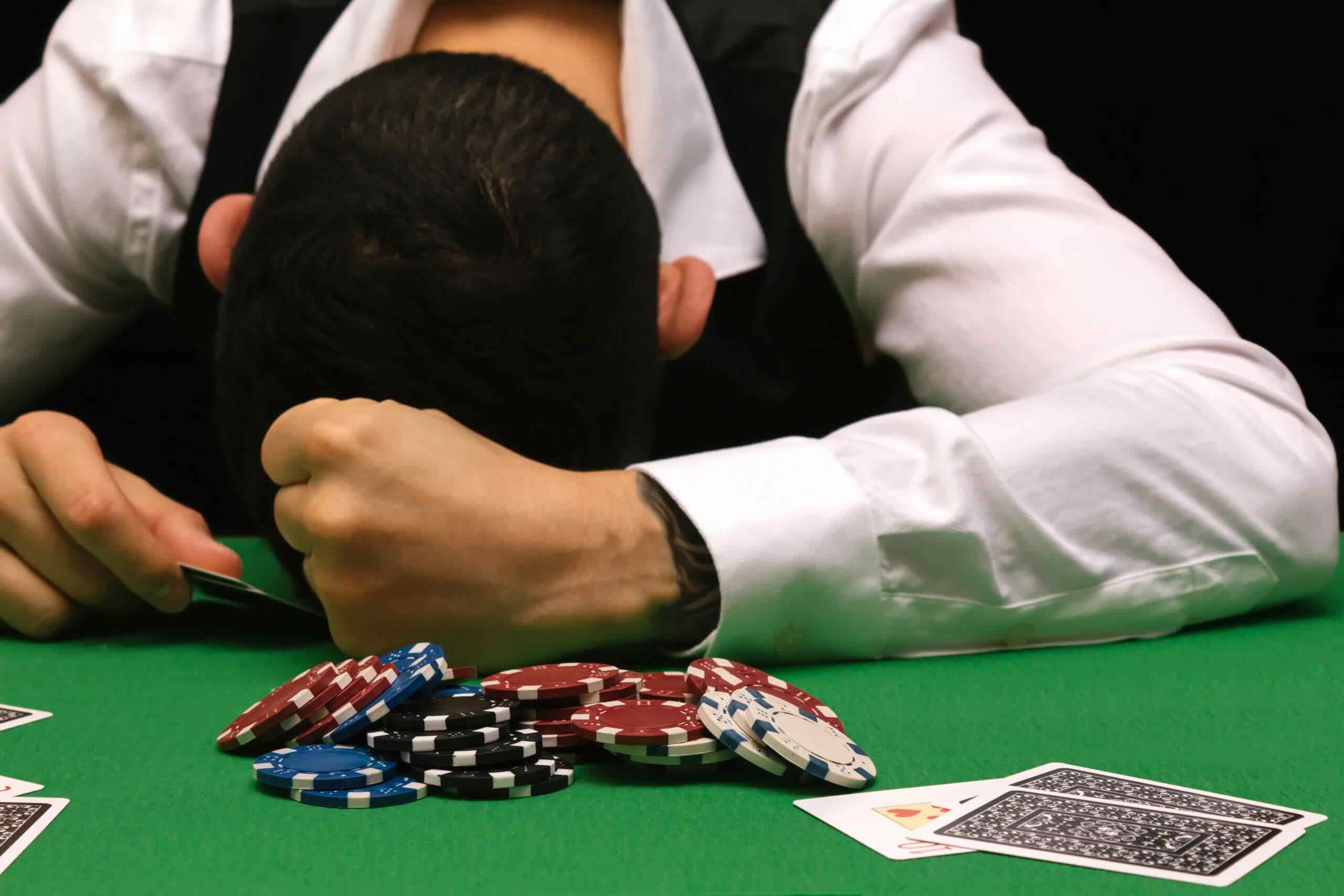
The journey of recovery begins with acknowledgment. Individuals often find it challenging to admit that they have a problem, but this step is vital for reclaiming control. Building awareness of the emotional and psychological triggers that lead to gambling can significantly aid in the recovery process. Understanding one’s motivations and the impact of gambling is fundamental in taking the first steps toward change.
Seeking Help and Support
Once an individual recognizes their gambling addiction, the next step is to seek help. Professional treatment options, including counseling and support groups, can provide the necessary tools to navigate recovery. Cognitive-behavioral therapy (CBT) is particularly effective, as it helps individuals address negative thought patterns and develop healthier coping mechanisms. Finding a therapist who specializes in gambling addiction can greatly enhance the recovery experience.
Support groups, such as Gamblers Anonymous, offer a community where individuals can share their experiences and learn from others who have faced similar challenges. The fellowship and understanding found in such groups can be a powerful motivator. Sharing personal stories and strategies can provide hope and guidance for those on the road to recovery, reinforcing the notion that they are not alone in their struggles.
Developing Coping Strategies
In recovery, developing effective coping strategies is essential for managing urges and preventing relapse. Individuals must learn how to recognize triggers and implement healthy alternatives to gambling. Engaging in new hobbies, exercising, or practicing mindfulness can help fill the void left by gambling. It’s important to create a structured daily routine that includes positive activities that promote well-being.
Moreover, financial management becomes a crucial aspect of recovery. Creating a budget, seeking professional financial advice, and establishing limits on spending can help individuals regain control over their finances. These strategies not only aid in avoiding temptations but also foster a sense of responsibility and stability, which is vital during the recovery journey.
Building a Supportive Environment
Creating a supportive environment is crucial for long-term recovery from gambling addiction. This involves surrounding oneself with understanding friends and family who can offer emotional support. Open communication with loved ones about the challenges of recovery can strengthen these relationships and foster a sense of accountability. Encouraging loved ones to engage in healthier activities together can also reinforce a supportive atmosphere.
Additionally, limiting exposure to gambling environments is a practical step in building a healthier lifestyle. Individuals in recovery should consider avoiding places or situations where gambling is prevalent, whether online or offline. This proactive approach minimizes temptation and reinforces commitment to recovery, allowing individuals to focus on their healing journey.
Resources for Continued Growth
For individuals looking to reclaim their lives from gambling addiction, utilizing available resources is vital. Many websites provide comprehensive information on recovery techniques, support groups, and treatment options. These resources can serve as valuable tools for ongoing education and personal growth. Engaging with online forums or reading success stories can inspire individuals and remind them that recovery is possible.
Moreover, seeking professional help through certified programs and workshops can enhance the recovery journey. Staying informed about the psychological aspects of addiction and remaining engaged in the recovery community can empower individuals to continue their personal development. By focusing on growth and understanding, those recovering from gambling addiction can reclaim their lives and build a brighter future.